A processing plant that secures itself between 22:00 and 04:00
A medium-scale mine asked us to stop the quiet, repeated losses at its processing plant on night shift: cable off the reclaim conveyor, diesel drawn against nobody, contractors in areas their job cards did not cover. The site had cameras, a gate reader and a guard force, but nobody able to watch any of it live. We built a system that watches continuously and puts a named person on their phone seconds after a written rule is crossed.
The operational challenge: losses nobody saw happening
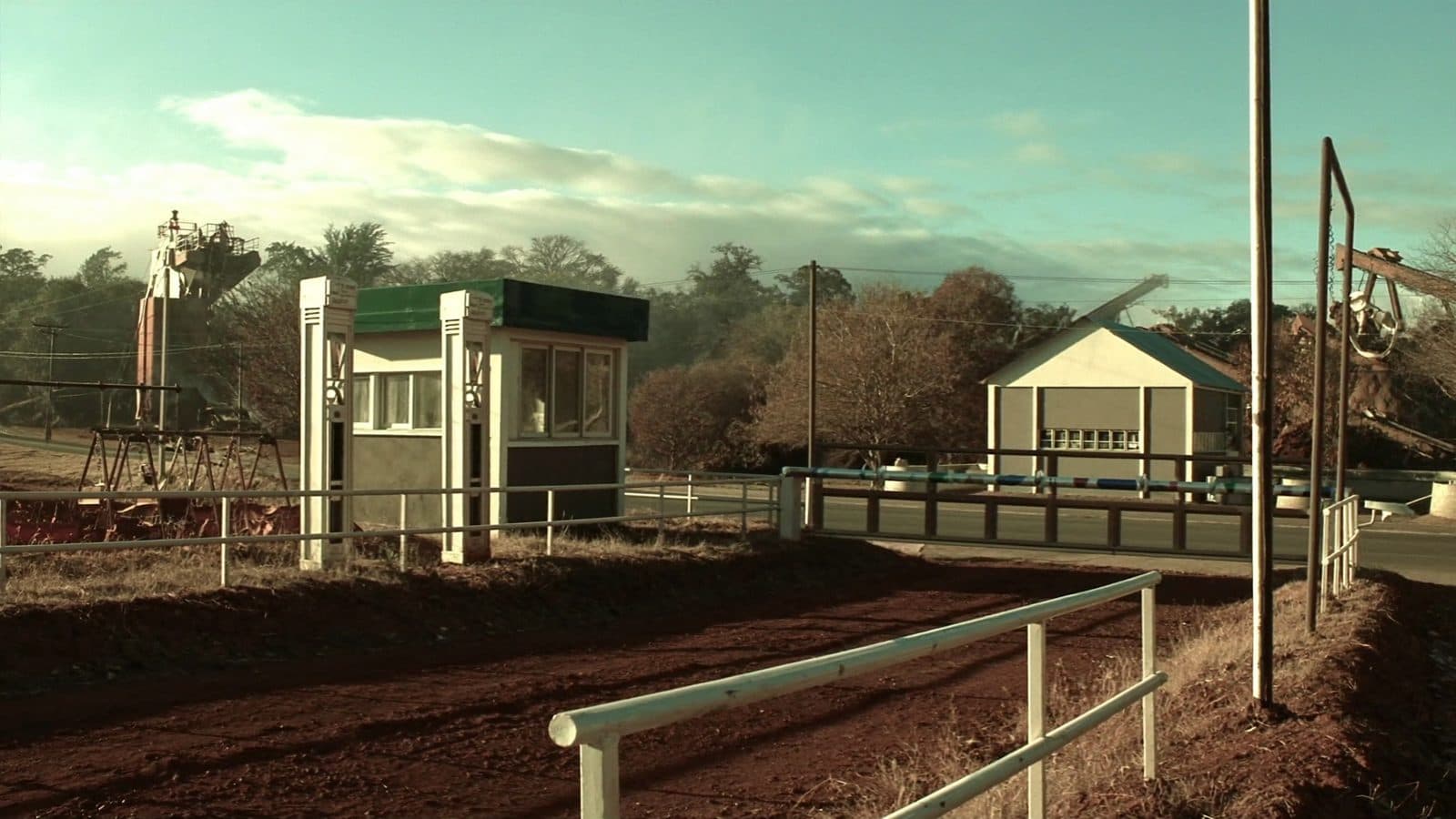
Every incident was found the next morning — a cut cable, a fuel figure that would not reconcile, a store door that had clearly been opened. Footage existed, but was only opened once a loss was noticed, by which time the vehicle had gone and hours of recording had to be scrubbed through by hand. Guarding was solid at the gate and thin elsewhere, so the ground between the crusher, the reagent store and the fuel bay went unwatched from knock-off until sunrise.
The infrastructure that was already there
The assessment found around thirty IP cameras on two recorders, most serviceable, feeding a screen in an office staffed only in office hours. There was a card reader and boom at the gate, a keypad on the reagent store, a fuel bowser with a paper issue book, and GPS trackers already on the light vehicle fleet. All of it stayed: we re-aimed four cameras and added two where nothing could see the ground.
What was built
A small industrial computer now sits in the plant substation room on the recorder's inverter supply, reading the existing camera streams over the standard protocols those recorders already speak. It enforces a short set of rules written with the security manager: presence in the plant area outside declared hours, a vehicle at the fuel bay with no open issue, movement at the reagent store door, a person on the conveyor walkway at night, and a gate opening not matched to a valid card. Bluetooth tags — small battery-powered tags read by fixed points — prove a guard patrol by where the tag was read.
How it works day to day
Nobody logs in to use this system, which is the point. At 18:00 the plant moves to night rules on its own, and the guard on duty is the first to hear anything: a WhatsApp message with a still image, the camera name and the time. Unacknowledged inside the agreed window, it escalates to the shift supervisor, then the security manager. Each morning the manager reads one overnight summary instead of asking three people what happened.
Integration points
Events are routed to where the work already happens rather than parked in another dashboard. Alerts run over WhatsApp; fuel bay events are matched against the bowser issue record, so an unrecorded draw is questioned the same night; access events are checked against the HR and contractor register, so a lapsed induction is refused at the reader instead of found on site. Closed alerts write into the incident register with the clip and the rule that fired.
What it covers
Night rules applied automatically
The plant switches to after-hours standards on a schedule, so the tighter rules never depend on someone remembering to arm them.
Escalation that does not stop
An unacknowledged alert moves up and is logged as unanswered — the failure most guarding arrangements never surface.
Fuel and store events cross-checked
A bowser draw or store door opening is compared with the record that should exist for it, making reconciliation a same-night question.
Patrols proven by tag reads
Guard tags read at fixed plant points show where a patrol went, replacing a sheet that can be filled in sitting down.
Decisions stay with people
The system decides what to raise, never what it means. Footage is reviewed by a person before any disciplinary step.
Runs through outages
Detection sits on the plant inverter and needs no internet; events queue locally and deliver when the mobile link returns.
How it works
Site assessment
We walked the plant at night with the security manager, listed the losses that actually recur, and checked what each camera, reader and tracker can genuinely see in the dark.
Integration and observation
Cameras, gate hardware, the fuel bay and the trackers were connected and the edge computer installed. At first it only logged what it would have raised, checked against the guards' own reports.
Rules, escalation and testing
Hours, zones, acknowledgement windows and escalation paths were agreed in writing and tested against the mine's own footage, including rain and dust nights.
Go live and weekly tuning
The system took the workflow and we reviewed weekly at first: which rules fired too often, which camera needed lighting, which escalation reached the wrong person. A system of this kind is typically live in about four to six weeks.
Questions buyers ask
Does this let us cut the guard force?
That is your decision, and we will not promise it. What changes is how the night is spent: guards respond to timed events with an image attached instead of covering ground blind.
What happens during load shedding or when the fibre is down?
Detection continues as long as the cameras and edge computer have power, which is why it sits on the recorder's inverter. Alerts go over the mobile network; if that is down, events queue on site. A camera that goes dark is itself reported as a fault.
Does our video leave the site?
The video stays on your premises. What leaves is a small event — rule, time, camera name and, where you approve it, a still image. Storage location, viewing rights and retention are agreed in writing before go-live.
How many false alarms will our guards get?
Some at the start, and anyone who says otherwise has not run a plant camera in the rain. That is why the system observes before it may notify, and why we review weekly afterwards.
Can we start with one area instead of the whole plant?
Yes, and we prefer it. This deployment began with the fuel bay, the reagent store and the conveyor run, because those were the three losses the mine could name.
What can a camera not do for us?
It cannot see inside a sealed drum, read a gauge in the dark, or hold up at the perimeter in heavy rain. Where a camera is the wrong answer we say so at the assessment.
Book a platform briefing
Fifteen minutes with an engineer, not a sales pitch. Tell us what goes missing from your plant and when, and we will say honestly whether the cameras and readers you already own can see it. Email sales@eigenstatesystems.com or WhatsApp +263 77 636 6999.