A thirty-six room lodge in Harare, run from one record instead of four
Highlands House is a boutique guest lodge in Harare: thirty-six en-suite rooms, gardens, a pool, and a garden restaurant that serves residents and outside diners on the same service. Eigenstate Systems is building its operating system on Hotel OS, so reservations, room status, the restaurant, the gate and the money sit in one record held on equipment in the building. This page describes the deployment while it is in build, rather than after the fact.
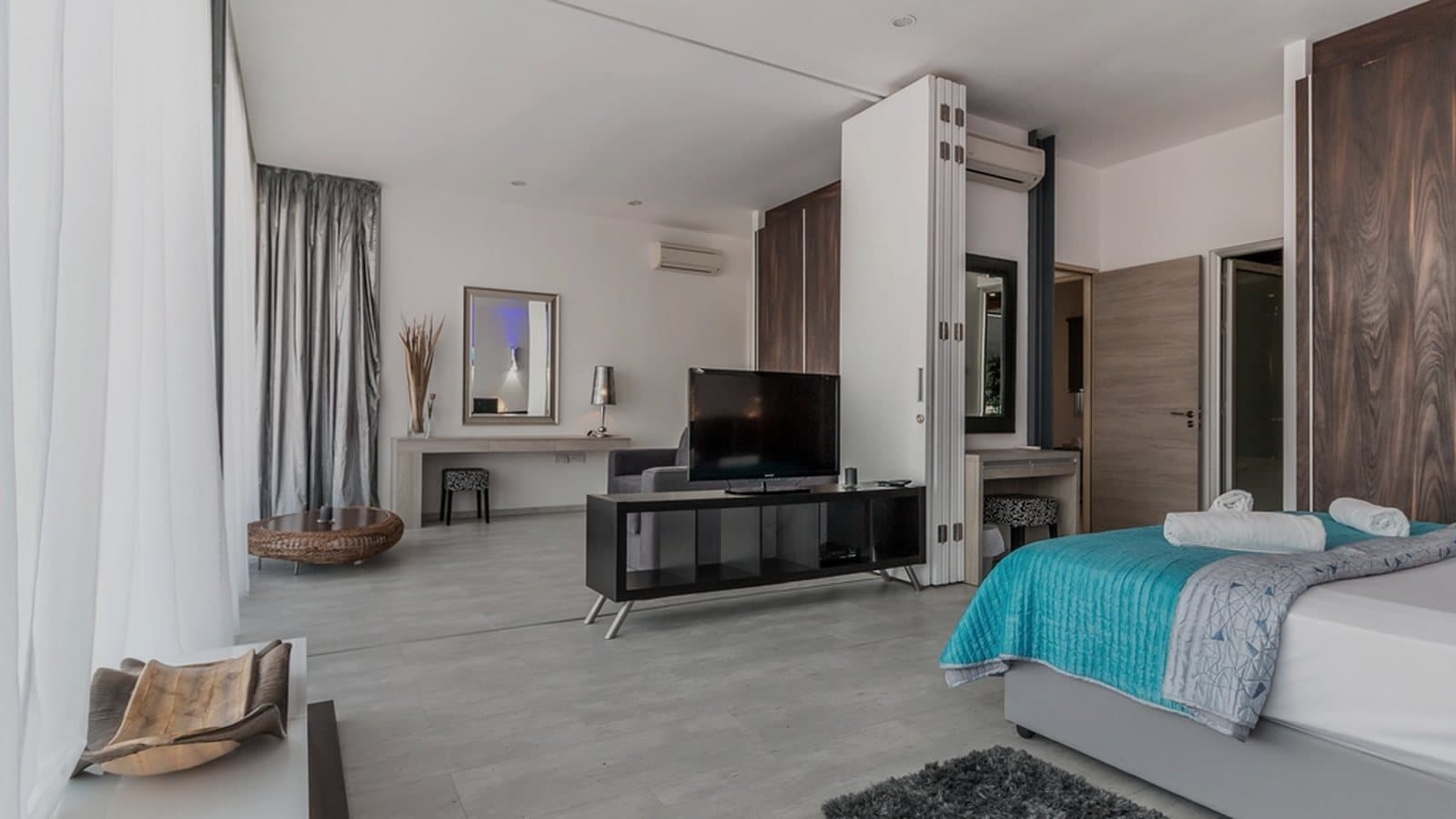
The operational challenge: one property, two businesses
A lodge this size trades as two businesses inside one boundary wall. Rooms are sold weeks ahead to corporate travellers, non-governmental organisations and tourists on different rates, while the restaurant takes walk-in tables, functions and resident meals on the day itself. Kept in separate records — a diary, a housekeeping sheet, a till, spreadsheets in the back office — the result is a slow loss of certainty: whether a room is genuinely ready, whether a lunch signed to a room reached the bill.
The infrastructure that was already there
The site assessment begins by counting what does not need buying. The property already had cameras on the gate, parking and service yard, a working restaurant till, network across the main house and garden block, staff carrying smartphones, and a power arrangement that keeps essentials alive when the grid drops. Hotel OS was specified around that inventory: a small server in the back office, existing cameras doing the gate work instead of new readers on every door, housekeeping on handsets already in pockets.
What was built
One property record, with a screen shaped for each role: an arrivals and departures board at reception, a room list for housekeeping, tables and covers for the restaurant, an owner's view of occupancy, revenue by department and debtors. Around it sit the parts a lodge of this kind rarely has — resident, non-resident, corporate and agent pricing against the same room; folios accepting restaurant, bar, laundry and function charges; a night audit that rolls the business date and closes drawers by currency; and a WhatsApp agent answering after-hours enquiries, handing anything unusual to a person with the conversation attached.
How the day runs on it
The duty manager opens the board and reads the day: arrivals, departures and who has settled, which rooms are clean, inspected or blocked, which tables are committed for lunch. Housekeepers move rooms through dirty, cleaned and inspected from their phones, so the desk stops walking to the garden block to check. Restaurant orders settle at the table or post to a folio, so a resident's dinner is on the bill before they reach reception.
Integration points
Nothing working was replaced for the sake of it. The restaurant point of sale, the accounting package, the gate cameras and the guest's own WhatsApp thread connect to the same record, with rate cards, forward bookings, guest history and the menu loaded during integration. Settlement is mixed here — dollars quoted, local currency at the desk, mobile money as often as card — so one stay carries several tenders on one folio. Number plate recognition runs on cameras already installed, and those events also give an attendance record payroll can use.
Where the build stands
This deployment is in progress, and we would rather say so than dress it up. Departments are switched on in sequence, the system observing live trade before it may post anything, with rules tested against bookings the owner recognises.
What it covers
Residents and outside diners, one service
An order either settles at the table or posts to a room, chosen when it is taken rather than reconstructed from a chit later.
Functions and long lunches
A garden function is held like a booking: tables blocked, deposit recorded, quotation issued, one invoice against the event instead of a stack of tabs.
Gate and grounds on existing cameras
Vehicle and pedestrian movement runs on cameras already covering the gate, with back-of-house access set by role and staff attendance falling out of the same events.
More than one currency per stay
A folio quoted in one currency can be settled in several — cash, card and mobile money — and still closes as one statement for the guest or their employer.
Trades through a power cut
The record sits on site, so check-ins, restaurant orders and housekeeping updates carry on while the grid or the line is down, then reconcile.
How it works
Site assessment, week zero
A day on the property with reception, housekeeping, kitchen, bar, gate and back office, documenting rooms, rate plans, the diary, the till, cameras, network and power — and naming the bottleneck worth fixing first.
Integration, weeks one to three
Room inventory, rate cards, forward bookings, guest history, menu and chart of accounts loaded; point of sale, accounting and gate hardware connected. The system watches the live operation before it may act on it.
Rules and guardrails, week four
Discount and comp limits, charge-to-room authorisation, cancellation and no-show terms, and what escalates to a duty manager — tested against the property's own historical bookings.
Go live and optimise, week five onward
Departments switch over with each team trained on its own screen, then weekly reviews while the property settles. Expect roughly four to six weeks for a first system.
Questions buyers ask
Is this live at the lodge today?
It is in build. Hotel OS is being deployed at Highlands House now, department by department. Ask on a briefing call and we will tell you which parts are running.
Can we see it working before we commit?
We can walk you through the build and, subject to the owner's agreement and a time that does not disrupt service, arrange a visit. We do not publish figures from a client's operation without permission.
Our restaurant is busier than our rooms. Does the system assume otherwise?
No. Rooms and food and beverage are separate departments on one ledger, and a property can start on the restaurant side if that is where the pressure is.
Did you replace the till, the cameras or the network?
No. Working equipment is integrated rather than removed, which is why the assessment comes first. New hardware is proposed only where something genuinely cannot do the job.
What does a deployment like this cost, and how long does it take?
It is priced by scope after the site assessment: departments switched on, integrations required, hardware needed on site. Roughly four to six weeks for a first system. We do not quote a property we have not walked.
Who holds the guest data?
The property does. It runs in the client's environment or a dedicated tenant, with a retention period agreed in writing and access controlled by role. The system acts on verified information and escalates anything uncertain to a named person.
Book a platform briefing
Fifteen minutes with an engineer who will ask how your property trades today: how bookings arrive, how rooms are handed over, how the restaurant bills, what happens when the power goes. Email sales@eigenstatesystems.com or WhatsApp +263 77 636 6999.